Market Research
Search Import/Export data to understand your markets and monitor your competition.
Learn MoreNeed Shipping Data? call us at +91 639 861 4322

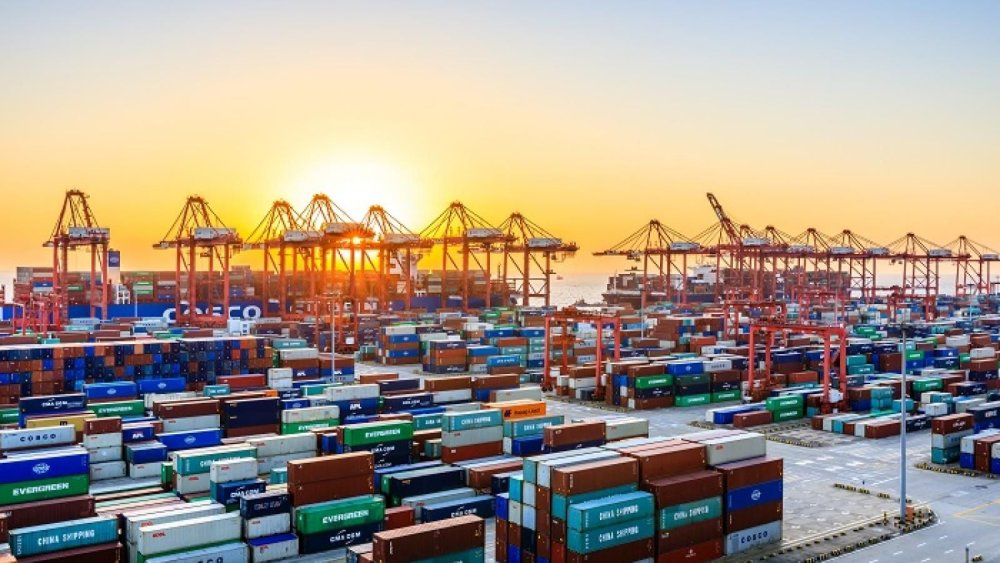
Discover how import and export data by country helps businesses analyze exim trade data, identify port data suppliers, and make smarter global trade decisions.
Import and export data by country is the backbone of international trade intelligence. It provides detailed records of goods moving across borders, including product descriptions, quantities, values, origin countries, destination countries, and ports involved. Businesses, governments, and analysts rely on this data to understand trade flows and global demand patterns.
What Is Import Data?
Import data records goods entering a country. It includes details such as importer name, HS code, shipment value, country of origin, and port of arrival. This data helps businesses identify new suppliers, analyze domestic demand, and monitor foreign competition.
What Is Export Data?
Export data captures goods leaving a country. It highlights exporters, destination markets, product types, and shipping routes. Companies use export data to find buyers, expand into new regions, and evaluate international sales performance.
Why Import and Export Data by Country Matters in Global Trade
Import and export data by country plays a vital role in decision-making across industries. It transforms raw shipment records into actionable intelligence.
Market Intelligence and Demand Forecasting
By studying historical import volumes, businesses can predict future demand. Export trends reveal which countries are increasing purchases and which markets are slowing down.
Risk Management and Trade Compliance
Accurate trade data helps firms comply with customs regulations, avoid restricted markets, and reduce supply chain disruptions caused by political or economic changes.
Exim trade data is a broader term that includes both import and export data along with customs, logistics, and shipping details.
What Is Exim Trade Data?
Exim trade data combines transactional shipment records with trade statistics. It often includes importer-exporter relationships, port movements, and freight information.
How Companies Use Exim Trade Data
Businesses use exim trade data to:
Identify verified buyers and suppliers
Track competitor shipments
Analyze pricing and volume trends
Optimize sourcing and distribution strategies
Import and Export Data by Country for Competitive Analysis
One of the most powerful uses of import and export data by country is competitive intelligence.
Identifying Top Trading Partners
Trade data reveals which countries dominate specific product categories. This insight helps companies focus on high-potential markets.
Monitoring Competitor Shipments
Shipment-level data allows businesses to track how often competitors ship, which ports they use, and which buyers they serve.
Ports are the gateways of global trade, making port data an essential layer of analysis.
What Is Port Data?
Port data provides shipment details tied to specific seaports, airports, or inland terminals. It shows cargo movement, vessel details, and transit frequency.
How a Port Data Supplier Adds Value
A reliable port data supplier enhances visibility into logistics routes, congestion issues, and shipping efficiency, helping businesses reduce delays and costs.
Choosing the Right Port Data Supplier
Not all data providers offer the same level of quality.
Accuracy and Data Coverage
Choose suppliers that cover multiple countries and ports with frequent updates and verified customs records.
Customs and Shipping Integration
The best port data suppliers integrate customs filings with shipping and logistics data for complete trade visibility.
For global trade statistics and official references, businesses often cross-check data with sources like the World Trade Organization
Understanding the core components of trade data improves analysis accuracy.
HS Codes and Product Classification
HS codes standardize product identification across countries, making comparisons easier.
Shipment Value, Quantity, and Origin
These metrics help measure market size, pricing trends, and supplier reliability.
Industries That Rely on Import and Export Data by Country
- Manufacturers use trade data to source raw materials and evaluate supplier performance.
- Logistics firms depend on port and shipment data to plan routes and manage capacity.
- Different countries follow different reporting standards, which can complicate analysis.
- Some nations publish limited or delayed data, requiring cross-verification from multiple sources.
- Always validate trade data with multiple datasets to ensure accuracy.
- Advanced analytics and dashboards turn raw exim trade data into clear insights and forecasts.
1. What is import and export data by country used for?
It is used for market research, supplier discovery, competitive analysis, and trade compliance.
2. How accurate is exim trade data?
Accuracy depends on the source, customs transparency, and data validation processes.
3. Who uses port data suppliers the most?
Logistics companies, exporters, importers, and trade analysts rely heavily on port data suppliers.
4. Can small businesses benefit from trade data?
Yes, small businesses use it to identify buyers, suppliers, and new markets.
5. Is import and export data updated regularly?
Most professional providers update data monthly or weekly, depending on the country.
6. How do HS codes help in trade analysis?
They standardize product classification, enabling consistent global comparisons.
Conclusion
Import and export data by country has become an essential asset in modern global trade. When combined with exim trade data and insights from a reliable port data supplier, businesses gain unmatched visibility into international markets. As global commerce continues to evolve, companies that leverage accurate trade intelligence will stay competitive, compliant, and future-ready.
Submit this form below to get import or export sample data.
Trade Exim offers access to the largest and most extensive collection of import and export data, covering international trade. Whether you seek to generate leads within your local market or expand your business globally, Trade Exim provides the essential resources your enterprise requires.

Search Import/Export data to understand your markets and monitor your competition.
Learn MoreInstantly generate lists of potential customers based on trade activity.
Learn MoreSearch for new suppliers, monitor existing ones and keep track of trends.
Learn MoreTailor a solution specific to your industry, with deep expertise in Chemicals, Transportation, and more.
Learn More