Market Research
Search Import/Export data to understand your markets and monitor your competition.
Learn MoreNeed Shipping Data? call us at +91 639 861 4322

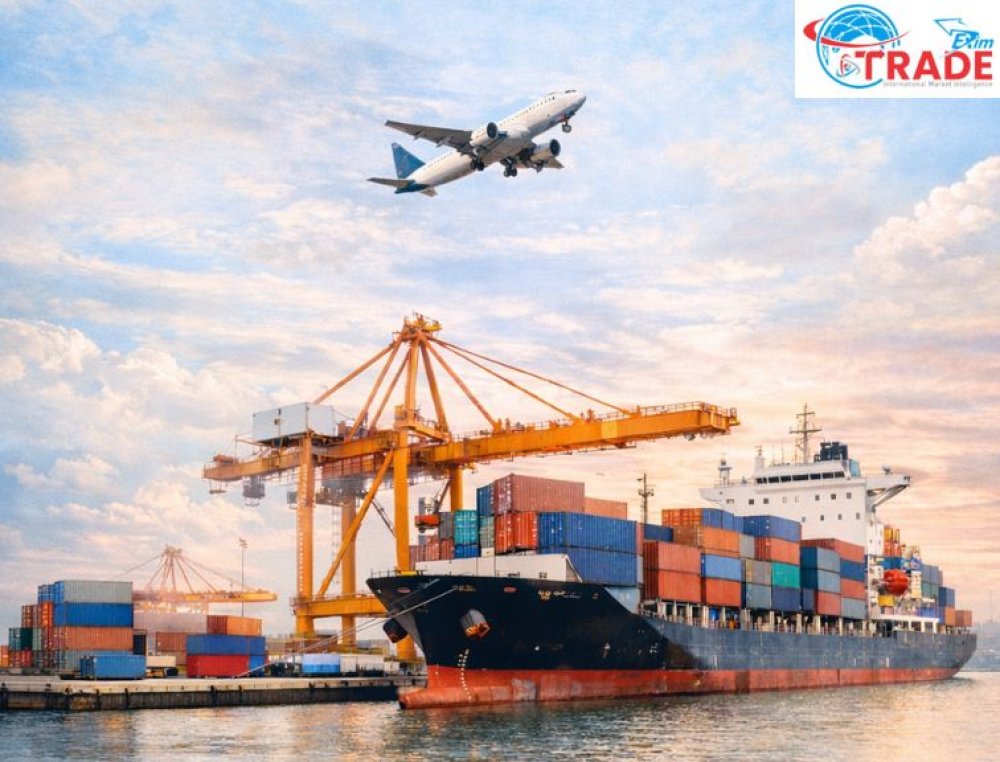
In today’s global trade ecosystem, staying ahead of the competition means having access to real-time shipment data from key markets. If you're in the business of import and export, knowing the precise movement of goods, from ports to final destinations, can make all the difference. For Indian exporters, gaining access to India export data not only helps in making informed decisions but also in shaping competitive strategies.
In this article, we'll guide you through the importance of real-time access to India export data, how it impacts your business, and the best practices for tracking live shipment records from Indian ports.
Understanding how and why real-time shipment data plays such a pivotal role in the world of Indian export data can be a game-changer for businesses. Here are some reasons why this data is crucial:
India export data refers to detailed, up-to-date information regarding the goods being exported from India to global markets. This data includes everything from product descriptions, values, destinations, and shipment methods, to export documentation such as Customs Bills of Entry.
India export data is typically compiled from multiple sources, including customs authorities, ports, and shipping companies. Real-time shipment tracking allows businesses to access the latest information regarding their goods in transit, including:
Real-time India export data can be accessed via various platforms, including port systems, third-party data providers like Trade Exim, and even directly from Indian customs.
Accurate, real-time data is critical for business growth in the import-export industry. Here's why:
Real-time shipment data is not just about tracking shipments—it’s about harnessing the power of data to streamline business operations, reduce risks, and boost profitability.
India is one of the largest economies in the world, and its ports are vital gateways for global trade. Some of the key ports include:
These ports are hubs of activity, and real-time data is essential to track shipments and forecast market needs.
Having access to real-time shipment data from these ports means you can:
For instance, if your shipment is delayed due to port congestion or a weather event, you can adjust delivery timelines, renegotiate contracts, or communicate with customers before they are impacted.
Certain sectors see high volumes of export activity through Indian ports. Tracking real-time shipment data in these sectors can provide valuable insights:
Gaining real-time access to India export data is easier than ever, with numerous platforms and tools available.
Here are the ways to access real-time shipment records:
One of the most reliable sources for real-time India export data is Indian customs export records. Customs data provides vital information such as:
Trade Exim is one of the top providers for accessing live India export database access. It allows businesses to:
Accessing real-time shipment data for your exports is no longer a complex task. With the right tools and platforms, businesses can easily monitor shipments, track port activities, and analyze market trends. Here’s how you can access live shipment records from Indian ports.
Real-time data on shipments is readily available through various official channels and third-party platforms. The data you can access includes:
India’s major ports such as Jawaharlal Nehru Port Trust (JNPT), Mundra Port, and Chennai Port have online systems where businesses can track their shipments in real time. Some of the features available include:
For example, JNPT offers detailed information on cargo movement, vessel arrivals, and export/import details through its official website. By visiting these websites, businesses can monitor live shipment data and adjust their strategies as needed.
Trade Exim offers a user-friendly platform that provides live access to India export data. The platform allows businesses to access real-time shipment records, including detailed HS codes, shipment volumes, and export statistics from across major Indian ports.
Customs data is another crucial source for obtaining real-time India export data. The Indian Customs Department maintains detailed records of exports, including shipments, clearance details, and HS codes.
Indian Customs provides public access to export data, allowing businesses to track:
To access this data, businesses typically need to register with the Indian Customs Department or use third-party platforms like Trade Exim that consolidate and make the data more accessible.
HS codes (Harmonized System codes) are crucial for classifying goods being traded internationally. These codes help businesses understand:
For example, if you're exporting textiles, understanding the specific HS code for your product helps you track similar exports in real-time, identify market demands, and optimize your shipments.
While official channels like port authority websites and customs systems are useful, third-party platforms can offer enhanced features for tracking shipments and analyzing trade data.
Trade Exim is one of the leading platforms that offers comprehensive and real-time export data solutions. Key features include:
Other platforms like Zauba Corp and Export Genius also provide similar data but often lack the personalized analytics and easy interface that Trade Exim offers.
Understanding the key metrics in real-time India export data can help you optimize your supply chain, track competitors, and identify new business opportunities. Here are some essential metrics to keep an eye on:
HS codes provide essential information about exported goods, including:
By tracking HS codes online, businesses can monitor export trends, identify new opportunities, and make data-driven decisions about product lines.
Port-specific data helps businesses analyze export activity at individual ports like Mundra, JNPT, or Chennai Port. Key data points include:
By understanding port-wise export statistics, businesses can plan shipments better, avoid delays, and optimize logistics.
Buyer-supplier lists are crucial for identifying key players in the supply chain. By analyzing these lists, businesses can:
Live shipment tracking allows you to monitor the status of your shipments and adjust strategies in real-time. Benefits include:
There are various resources available for accessing live India export data. Whether you’re a small business or a large enterprise, there are tools suited to your needs.
Trade Exim offers a user-friendly export-import shipment insights dashboard that gives you access to real-time shipment records, port-wise statistics, buyer-supplier lists, and more. Key features include:
This tool helps businesses streamline their operations, reduce risks, and gain valuable market intelligence.
For businesses looking to access live India export data, there are both free and paid sources available.
Accessing real-time India export data through Trade Exim is straightforward:
Having access to real-time India export data is a game-changer for businesses looking to make informed decisions and stay competitive. It provides businesses with the insights they need to optimize their operations and drive growth.
Real-time export data is an essential tool for gaining competitive intelligence in the export industry. Here's how it helps:
Accessing live shipment records gives companies the ability to optimize their supply chains in various ways:
Export data is an invaluable resource for exploring new markets and expanding your global reach. Here’s how to use it effectively:
For example, if you notice an increase in the demand for pharmaceutical products in a specific region, you can tailor your offerings to meet that demand.
While accessing real-time India export data is incredibly valuable, it does come with its challenges. Let’s look at some of the common hurdles and how to overcome them.
One of the main concerns when accessing export data is ensuring its accuracy and reliability. Here’s why it matters:
To make the most of live India export data, follow these best practices:
There are a few barriers businesses often face when trying to access live shipment records. These include:
By overcoming these barriers, businesses can ensure they have full access to real-time India export data, helping them make the best possible decisions for growth.
1. What is India export data and why is it important for businesses?
India export data refers to detailed records of goods exported from India, including product descriptions, HS codes, shipment values, destination countries, and port details. Businesses use this export-import trade data to analyze market demand, monitor competitors, and make informed decisions about pricing, logistics, and global expansion.
2. How can I access real-time shipment records from Indian ports?
You can access real-time shipment records from Indian ports through port authority websites, the Indian Customs portal, or third-party trade intelligence platforms. These systems provide live India export data, including shipment status, carrier details, port activity, and expected delivery timelines.
3. What information is included in India export shipment data?
India export shipment data typically includes exporter and importer details, product descriptions, HS codes, shipment quantity and value, port of loading, destination country, and shipping carrier information. This data helps businesses analyze export trends and global trade flows.
4. Why are HS codes important in tracking India export data?
HS codes (Harmonized System codes) classify products in international trade. By using HS codes in India export data, businesses can track export volumes for specific products, simplify customs clearance, and identify high-demand markets for their goods.
5. Which major Indian ports provide real-time export shipment data?
Major ports such as Jawaharlal Nehru Port (JNPT), Mundra Port, and Chennai Port provide access to live export shipment data and port-wise export statistics. These ports handle large volumes of cargo and are key gateways for India’s global trade activities.
6. How does real-time India export data help improve supply chain management?
Real-time India export data allows businesses to track shipments, monitor port congestion, and predict delivery timelines. This helps companies optimize supply chain logistics, reduce delays, manage inventory efficiently, and lower operational costs.
7. Can India customs export data help identify new international markets?
Yes, Indian customs export data reveals export volumes, product demand, and destination countries. By analyzing this data, businesses can identify high-demand international markets, potential buyers, and emerging trade opportunities.
8.What are the benefits of using a live India export database?
A live India export database provides up-to-date shipment records, buyer-supplier lists, HS code analytics, and port-wise export statistics. These insights help businesses gain competitive intelligence, track global trade trends, and improve export strategies.
9. Are there free sources for accessing India export data?
Yes, some government portals and data providers offer free samples of India export data for basic insights. However, premium platforms provide comprehensive real-time export databases, advanced analytics, and detailed shipment records.
10. How can businesses use buyer-supplier lists from export data?
Buyer-supplier lists from India export data help businesses identify potential trading partners, analyze competitor relationships, and expand their global network. These insights allow exporters to target high-value buyers and negotiate better trade deals.
As global trade becomes increasingly competitive, businesses that leverage real-time India export data will be better equipped to thrive. Understanding how to access and utilize this data can unlock a world of opportunities for smarter decision-making, operational efficiency, and market growth.
To stay ahead of competitors and make the most of global trade opportunities, businesses must fully embrace the power of real-time shipment data. Accessing live India export data allows companies to:
Using real-time export data enables businesses to gain a more comprehensive understanding of their supply chains, export markets, and opportunities for growth.
Now that you understand the value of real-time India export data, it's time to take the next step. Start using Trade Exim to track live shipment records, analyze buyer-supplier lists, and gain valuable market insights. Trade Exim’s export-import shipment insights dashboard makes it easier than ever to access real-time shipment data, helping you optimize your business operations and achieve greater success in global trade.
Get started today with Trade Exim and harness the power of real-time export data to take your business to new heights.
Submit this form below to get import or export sample data.
Trade Exim offers access to the largest and most extensive collection of import and export data, covering international trade. Whether you seek to generate leads within your local market or expand your business globally, Trade Exim provides the essential resources your enterprise requires.

Search Import/Export data to understand your markets and monitor your competition.
Learn MoreInstantly generate lists of potential customers based on trade activity.
Learn MoreSearch for new suppliers, monitor existing ones and keep track of trends.
Learn MoreTailor a solution specific to your industry, with deep expertise in Chemicals, Transportation, and more.
Learn More